BEST ACTIVE WEAR MANUFACTURER IN CHINA
Activewear Manufacturing Process 2026 | Step-by-Step Sportswear Production Guide
Activewear Manufacturing Process Explained Step by Step (2026 Guide)
Understanding how activewear is made is essential for any brand working with a activewear manufacturer.
From concept design to final shipping, the manufacturing process directly impacts product quality, cost, and delivery time.
In this guide, we break down the complete activewear production process in 2026, so you can better manage your brand and supplier relationships.
Overview of Activewear Manufacturing Process
Activewear production typically includes six main stages:
- Design & Tech Pack Development
- Fabric Sourcing
- Sample Development
- Bulk Production
- Quality Control (QC)
- Packaging & Shipping
Each step plays a critical role in ensuring high-quality sportswear output.
Step 1 – Design & Tech Pack Development
The process begins with design.
What happens in this stage:
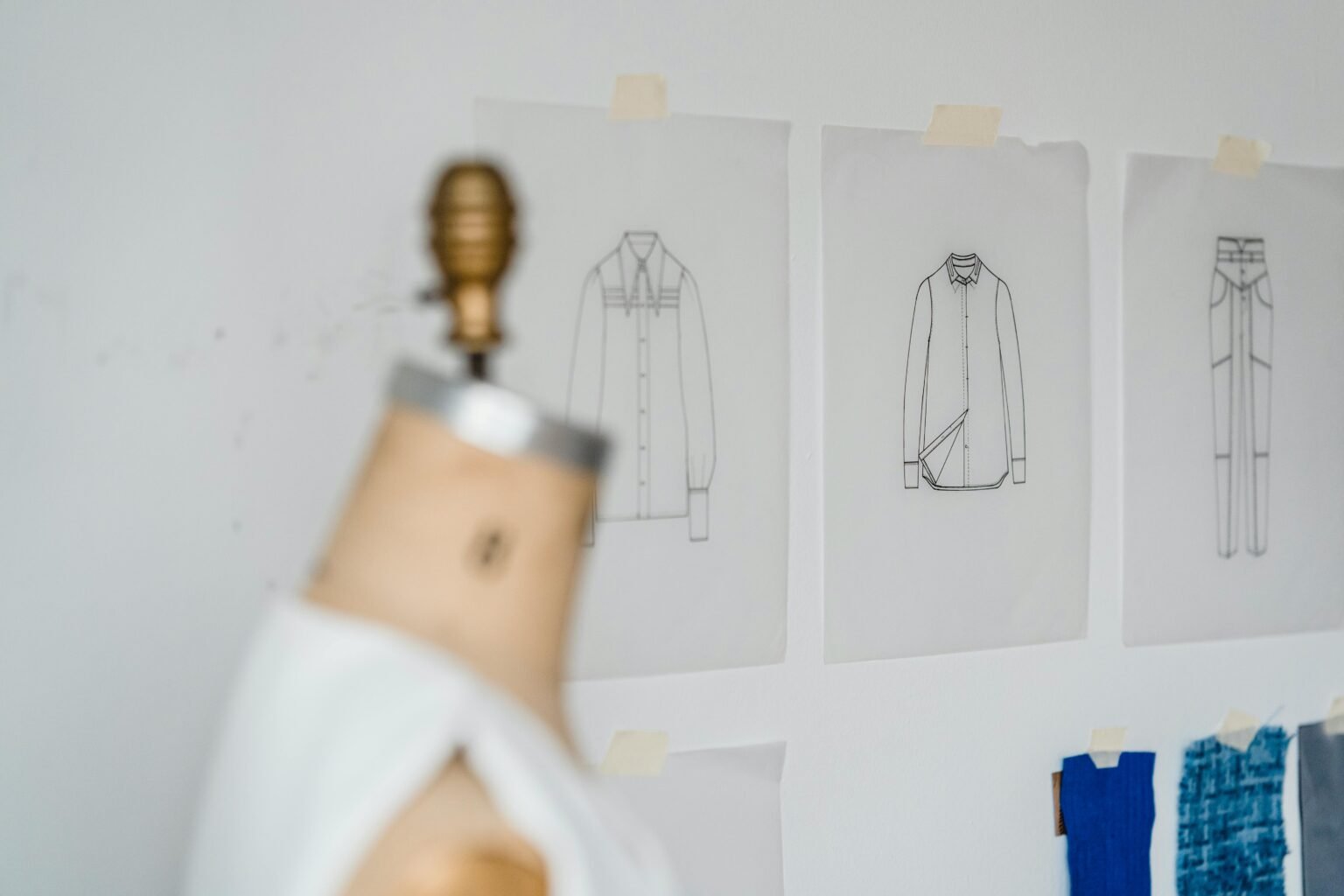
- Product sketches or references are created
- Measurements and sizing charts are defined
- Technical specifications are prepared
A professional tech pack includes:
- Fabric type
- Stitching details
- Logo placement
- Size grading
👉 This step ensures the manufacturer fully understands your product vision.
Step 2 – Fabric Sourcing
Fabric selection is one of the most important stages in activewear manufacturing.
Common fabrics used:
- Polyester spandex blends
- Nylon performance fabrics
- Compression materials
- Recycled fabrics
Key considerations:
- Breathability
- Stretch performance
- Durability
- Moisture-wicking ability
👉 The right fabric determines the final product quality.
Step 3 – Sample Development
Once fabric and design are confirmed, the manufacturer creates a sample.
Purpose of sampling:
- Test product fit
- Evaluate fabric performance
- Adjust design details
Typical timeline:
- 7–14 days depending on complexity
👉 This step prevents costly mistakes in bulk production.
Step 4 – Bulk Production
After sample approval, mass production begins.
Production steps:
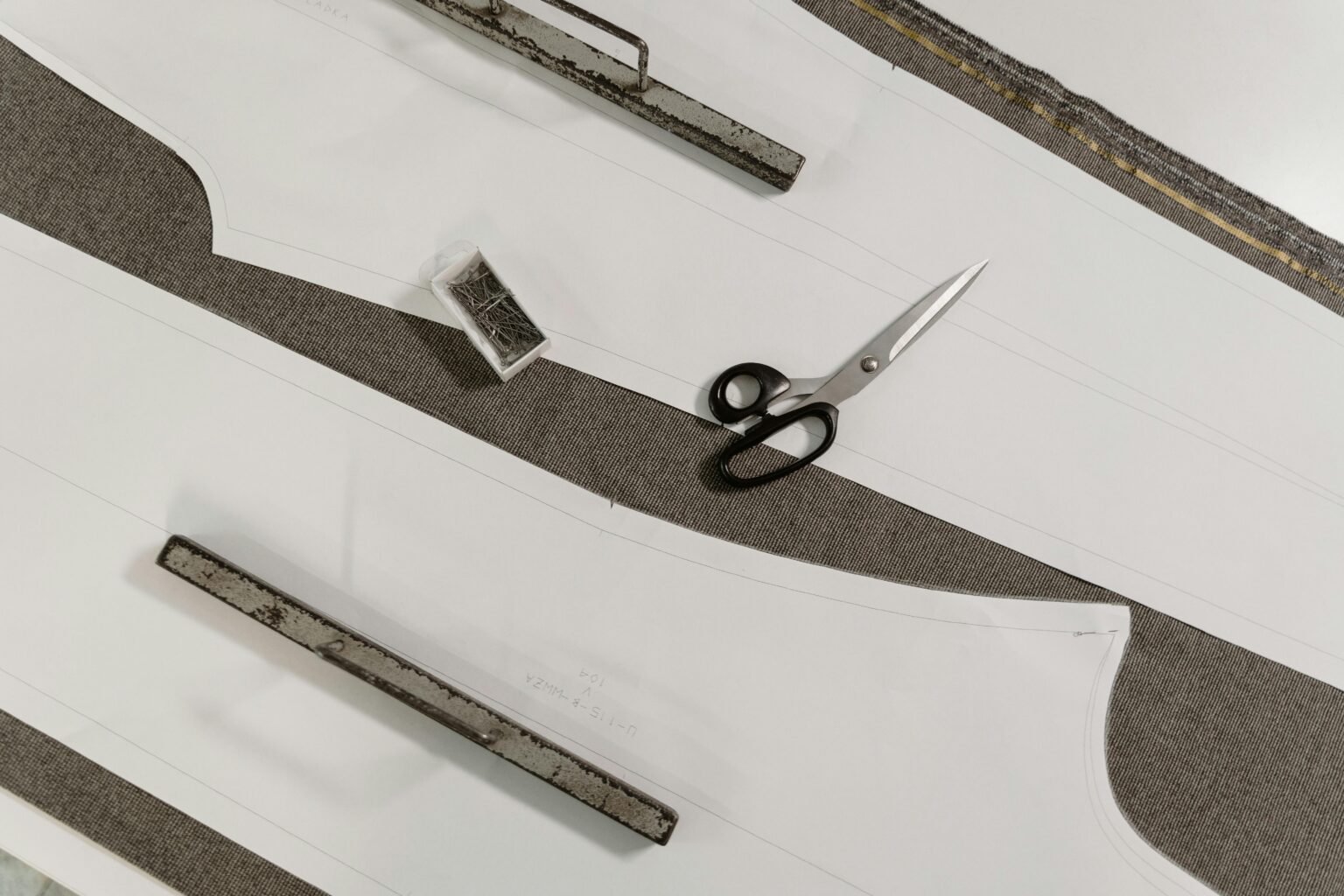
- Fabric cutting
- Sewing and assembly
- Logo printing or embroidery
- Initial assembly checks
👉 Efficiency and consistency are key at this stage.
A reliable activewear manufacturer ensures all units match approved samples.
Step 5 – Quality Control (QC)
Quality control ensures every product meets brand standards.
QC checks include:
- Stitching quality
- Fabric consistency
- Size accuracy
- Color matching
- Logo placement
Inspection stages:
- In-line inspection
- Final inspection before shipping
👉 This reduces return rates and improves brand reputation.
Step 6 – Packaging & Shipping
The final stage is preparing products for delivery.
Packaging options:
- Standard polybags
- Branded packaging
- Eco-friendly packaging
Shipping methods:
- Air freight (fast, higher cost)
- Sea freight (cheaper, slower)
👉 Choice depends on budget and urgency.
Full Activewear Manufacturing Workflow Summary
| Stage | Description | Time |
|---|---|---|
| Design | Tech pack creation | 3–7 days |
| Fabric sourcing | Material selection | 5–10 days |
| Sampling | Prototype creation | 7–14 days |
| Production | Bulk manufacturing | 15–30 days |
| QC | Inspection | 3–5 days |
| Shipping | Delivery | 7–30 days |
Why Manufacturing Process Matters for Your Brand
Understanding the production process helps you:
- Reduce communication errors
- Improve product quality
- Control production timeline
- Avoid unexpected costs
👉 Knowledge = better supplier management.
How Aolacore Handles the Manufacturing Process
As a professional activewear manufacturer, Aolacore follows a structured and efficient workflow to ensure quality and speed.
Aolacore Process Advantages:
✅ Fast sampling (7–10 days)
✅ Strict quality control system
✅ Flexible OEM & ODM production
✅ Low MOQ support for startups
✅ Efficient production timeline
👉 Learn more:
Common Mistakes in Manufacturing Process
Avoid these issues:
- ❌ Skipping sampling stage
- ❌ Poor tech pack preparation
- ❌ Ignoring QC reports
- ❌ Rushing production timeline
- ❌ Weak communication with factory
Expert Insight: Why Process Transparency Matters
Transparent manufacturing processes help brands:
- Build trust with suppliers
- Ensure consistent quality
- Scale production smoothly
- Reduce business risk
👉 Transparency is a sign of a professional manufacturer.
Conclusion
The activewear manufacturing process is a structured system that transforms ideas into finished products.
By understanding each step, brands can:
- Improve efficiency
- Reduce risk
- Increase product quality
👉 Working with an experienced partner like Aolacore ensures a smooth and reliable production journey from concept to delivery.
Are you looking for reliable manufacturers of clothing products?
We can quickly provide customers with market analysis, technical support and customized services.