
What Happens Inside a Professional Activewear Factory?
What Happens Inside a Professional Activewear Factory?
When customers see a finished activewear product, they usually notice the design, color, logo, fabric, and fit.
What they do not see is the long production process behind it.
Before a performance T-shirt, pair of training shorts, hoodie, joggers, or compression garment is packed and shipped, it passes through multiple stages of development, preparation, manufacturing, inspection, and finishing.
Inside a professional activewear factory, production is not simply about cutting fabric and sewing pieces together. Every stage must follow confirmed specifications so that the final garment matches the brand’s requirements for appearance, comfort, performance, sizing, and quality.
For activewear brands, understanding this process is important.
It helps buyers communicate more clearly with manufacturers, identify potential production risks, prepare more accurate tech packs, and evaluate whether a factory has the systems required to support long-term growth.
So, what actually happens inside a professional activewear factory?
Let us follow the complete journey from a product idea to a finished garment.
1. Every Product Begins with Requirement Confirmation
Production does not begin on the sewing line.
It begins with communication.
Before materials are ordered or patterns are created, the manufacturer needs to understand exactly what the brand wants to produce.
The factory normally reviews information such as:
- Product category
- Reference images or design sketches
- Tech pack
- Fabric composition
- Fabric weight
- Color requirements
- Size chart
- Logo application
- Labels and hangtags
- Packaging requirements
- Target quantity
- Expected delivery date
- Target market
- Product positioning
For example, a lightweight running T-shirt requires a very different fabric and construction method from a heavyweight training hoodie.
A pair of gym shorts designed for strength training may need greater movement around the hips and thighs, while running shorts may require lighter fabric, ventilation, and secure pocket construction.
The manufacturer must understand the product’s intended use before recommending materials or construction methods.
This early confirmation stage prevents misunderstandings later.
If the fabric, fit, logo, measurements, or packaging requirements are unclear at the beginning, even a technically well-made garment may not match the brand’s expectations.
A professional activewear factory therefore treats communication as part of manufacturing—not as a separate administrative task.
2. The Factory Evaluates the Design for Production
A design may look attractive on a screen but still require adjustment before it can be manufactured efficiently.
The factory’s technical team reviews whether the design can be translated into a stable, repeatable garment.
They consider questions such as:
- Is the seam placement suitable for body movement?
- Can the selected fabric support the intended structure?
- Is the pocket large enough to be functional?
- Will the logo method work on the chosen material?
- Are the measurements realistic?
- Could any design detail create sewing difficulties?
- Will the garment remain comfortable during exercise?
- Can the design be reproduced consistently in bulk production?
This process is sometimes called manufacturability review.
The goal is not to change the brand’s creative direction. It is to identify details that may create quality problems, unnecessary costs, production delays, or poor wearing performance.
For example, an oversized print placed across a highly elastic area may crack or distort during movement. A thick embroidery design may feel uncomfortable on a lightweight training shirt. A pocket opening positioned too close to a seam may be difficult to reinforce properly.
An experienced factory will raise these issues before production begins.
This is one of the major differences between a basic clothing supplier and a professional activewear manufacturing partner.
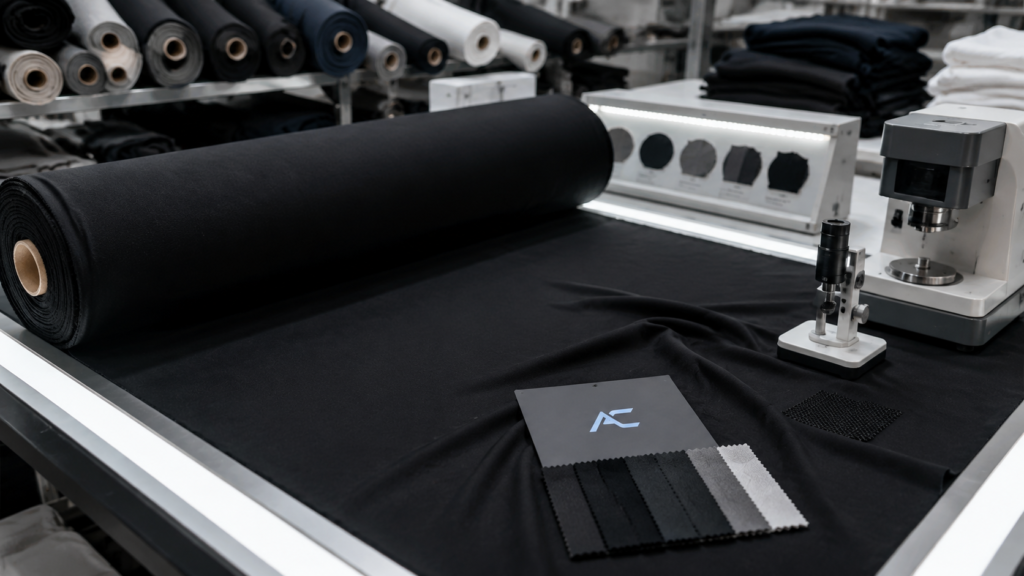
3. Fabric Sourcing and Performance Evaluation
Fabric is one of the most important parts of activewear manufacturing.
It affects comfort, stretch, recovery, breathability, moisture management, opacity, durability, appearance, and overall product positioning.
After reviewing the product requirements, the factory begins selecting or developing suitable materials.
Common activewear fabric options include:
- Polyester-spandex blends
- Nylon-spandex blends
- Cotton-blend jersey
- Performance mesh
- Interlock fabric
- French terry
- Ribbed fabrics
- Compression fabrics
- Recycled performance materials
The correct choice depends on the garment.
A premium training T-shirt may require a lightweight fabric with moisture-wicking performance and a soft surface. Compression shorts need stronger stretch recovery and stable support. Hoodies and joggers usually require more structure, warmth, and shape retention.
Professional factories do not evaluate fabric only by composition.
Two fabrics may both contain nylon and spandex but perform very differently because of yarn quality, knitting structure, fabric weight, finishing treatment, dyeing, and stretch recovery.
Important evaluation points include:
Fabric Weight
Fabric weight influences structure, opacity, warmth, breathability, and drape.
A fabric that is too light may appear transparent or unstable. A fabric that is too heavy may feel uncomfortable during high-intensity exercise.
Stretch and Recovery
Stretch allows the fabric to extend during movement.
Recovery determines whether it returns to its original shape afterward.
Good recovery is especially important around waistbands, knees, elbows, shoulders, and other areas that experience repeated movement.
Hand Feel
The factory evaluates whether the material feels smooth, soft, dry, brushed, structured, cool, or compressive.
The correct hand feel should match the brand’s product positioning.
Color and Surface Quality
The fabric should have an even surface without obvious stains, holes, uneven dyeing, excessive pilling, or unwanted shine.
Performance Requirements
Depending on the product, the material may also be evaluated for moisture management, drying speed, breathability, colorfastness, shrinkage, durability, and washing stability.
A professional activewear factory confirms the material before bulk cutting because fabric problems become much more expensive to correct after sewing begins.
AOLACORE’s manufacturing process includes fabric sourcing and testing, fabric inspection before cutting, and fabric selection based on stretch, recovery, compression, breathability, GSM, durability, and product positioning.
4. Pattern Development Turns the Design into a Garment
Once the main design and material direction are confirmed, the pattern-making team begins translating the concept into garment pieces.
A pattern determines the shape, measurements, proportions, seam positions, and construction of the final product.
This stage is highly technical.
A small pattern difference can change how a garment fits across the shoulders, chest, waist, hips, thighs, sleeves, or inseam.
Activewear patterns must also account for movement.
Unlike basic casual clothing, activewear is expected to perform during squats, lunges, running, stretching, lifting, and repeated body movement.
The pattern maker therefore considers:
- Fabric stretch percentage
- Fabric recovery
- Intended fit
- Ease allowance
- Body movement
- Seam placement
- Panel construction
- Pocket position
- Waistband structure
- Product grading
A relaxed-fit training T-shirt requires a different pattern approach from a fitted compression top.
Similarly, joggers made from structured French terry cannot use exactly the same measurements as lightweight stretch training pants.
Professional pattern development balances appearance, comfort, functionality, and production stability.
5. Sample Development Tests the Product Before Bulk Production
The first physical version of the product is created during sample development.
This is one of the most important stages in the entire activewear production process.
A sample allows the brand and manufacturer to examine the product before committing to a larger quantity.
The sample is reviewed for:
- Overall appearance
- Fabric selection
- Fit and proportions
- Garment measurements
- Stitching method
- Seam placement
- Pocket function
- Logo size and position
- Label placement
- Color combination
- Comfort during movement
- Finishing quality
The first sample is not always the final version.
The brand may request adjustments to sleeve length, body width, waistband height, pocket size, inseam length, logo placement, or fabric weight.
These changes should be documented clearly.
Once the adjustments are completed, another sample may be produced for confirmation.
For more complex custom products, several sample rounds may be required before the garment is ready for production.
A professional factory does not treat sample revisions as an inconvenience. It treats them as an important method of reducing bulk production risk.
Correcting one sample is far less expensive than correcting hundreds or thousands of finished garments.
6. The Pre-Production Sample Becomes the Quality Reference
Before bulk production begins, the final approved version is usually confirmed as the pre-production sample, often called a PPS.
This sample represents what the factory should reproduce during mass manufacturing.
It confirms key details such as:
- Approved fabric
- Approved color
- Final measurements
- Construction method
- Stitch type
- Logo application
- Label placement
- Trims and accessories
- Finishing standard
- Packaging method
The approved sample should be available to the production and quality control teams throughout manufacturing.
Workers and inspectors can compare bulk garments with the approved reference when checking measurements, stitching, logo placement, and overall appearance.
Without a confirmed reference sample, different departments may interpret the product requirements differently.
That can create inconsistencies between the sample room, cutting department, sewing line, logo department, and quality inspection team.
A professional factory uses the approved sample as a shared production standard.
AOLACORE’s published process includes prototype sampling, customized samples and pre-production sample approval before mass production, helping confirm design, fabric, color, fit, stitching, printing and measurements.
7. Fabric Inspection Happens Before Cutting
After the bulk fabric arrives, it should not immediately be cut.
It must first be inspected.
The inspection team checks the fabric for problems such as:
- Color differences
- Surface marks
- Holes
- Knitting defects
- Dyeing inconsistencies
- Width differences
- Fabric distortion
- Incorrect weight
- Shrinkage risk
- Visible contamination
Color consistency is especially important.
If different fabric rolls have noticeable shade differences, garments from the same order may not look identical.
The factory may separate fabric rolls by dye lot or arrange cutting carefully to reduce visible differences within individual garments.
The team may also test fabric relaxation and shrinkage.
Some materials change dimensions after being unrolled, washed, steamed, or exposed to heat. If this behavior is not considered, finished garment measurements may become inaccurate.
Inspecting the fabric before cutting prevents defective areas from entering the sewing process.
8. Fabric Relaxation, Spreading and Cutting
Fabric is often allowed to relax before cutting, especially when it has been tightly rolled or contains significant stretch.
Relaxation allows the material to return to a more stable condition.
The fabric is then spread in layers on a cutting table according to the production plan.
During spreading, workers must control:
- Fabric direction
- Layer alignment
- Surface tension
- Color shade
- Pattern orientation
- Fabric defects
- Maximum layer height
The pattern markers are arranged to use the fabric efficiently while maintaining the correct grain direction and product specifications.
Cutting may be completed manually, with cutting machines, or through automated cutting equipment depending on the factory and order.
Accuracy is essential.
If panels are cut incorrectly, the sewing team cannot fully correct the problem later.
After cutting, garment pieces are grouped by style, size, color, and production batch. Each bundle must be clearly identified so that different sizes or shades are not mixed during sewing.
9. Printing, Embroidery and Logo Application
Branding details may be applied before or during garment assembly, depending on the design.
Common activewear logo methods include:
- Screen printing
- Heat transfer
- Silicone transfer
- Reflective transfer
- Embroidery
- Woven patches
- Rubber badges
- Sublimation printing
Each method behaves differently on different fabrics.
Stretch fabrics require logo applications that can move with the material. Lightweight fabrics may not support heavy embroidery. Heat-sensitive materials require carefully controlled application temperatures.
Before full production, the logo should be tested for:
- Correct size
- Correct color
- Accurate placement
- Adhesion
- Stretch compatibility
- Surface appearance
- Washing durability
- Heat resistance
The factory may create a placement template to help workers position each logo consistently.
Even a small difference in logo height or angle can make a production batch look unprofessional.
That is why logo inspection is part of quality control rather than only a branding step.
How AOLACORE Supports Professional Activewear Production
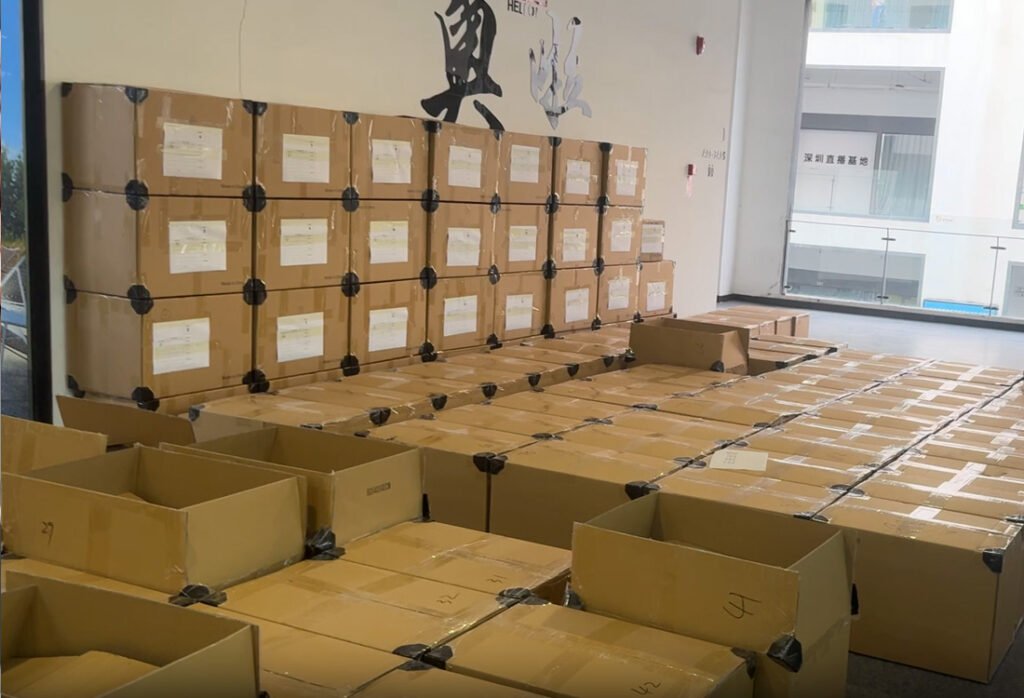
AOLACORE supports brands through a complete activewear development and manufacturing workflow, from initial concepts and fabric selection to samples, bulk manufacturing, quality inspection, packaging, and international shipping.
The process includes:
- Requirement and concept review
- Fabric sourcing and development
- Pattern creation
- Sample production
- Pre-production sample confirmation
- Fabric inspection
- Cutting and sewing
- Printing and embroidery
- In-process quality checks
- Measurement verification
- Final garment inspection
- Private-label packaging
- Shipment preparation
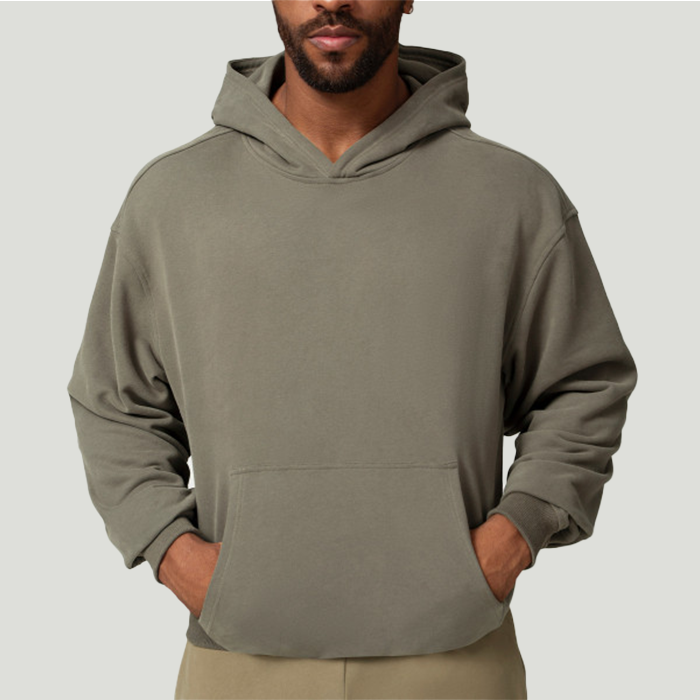
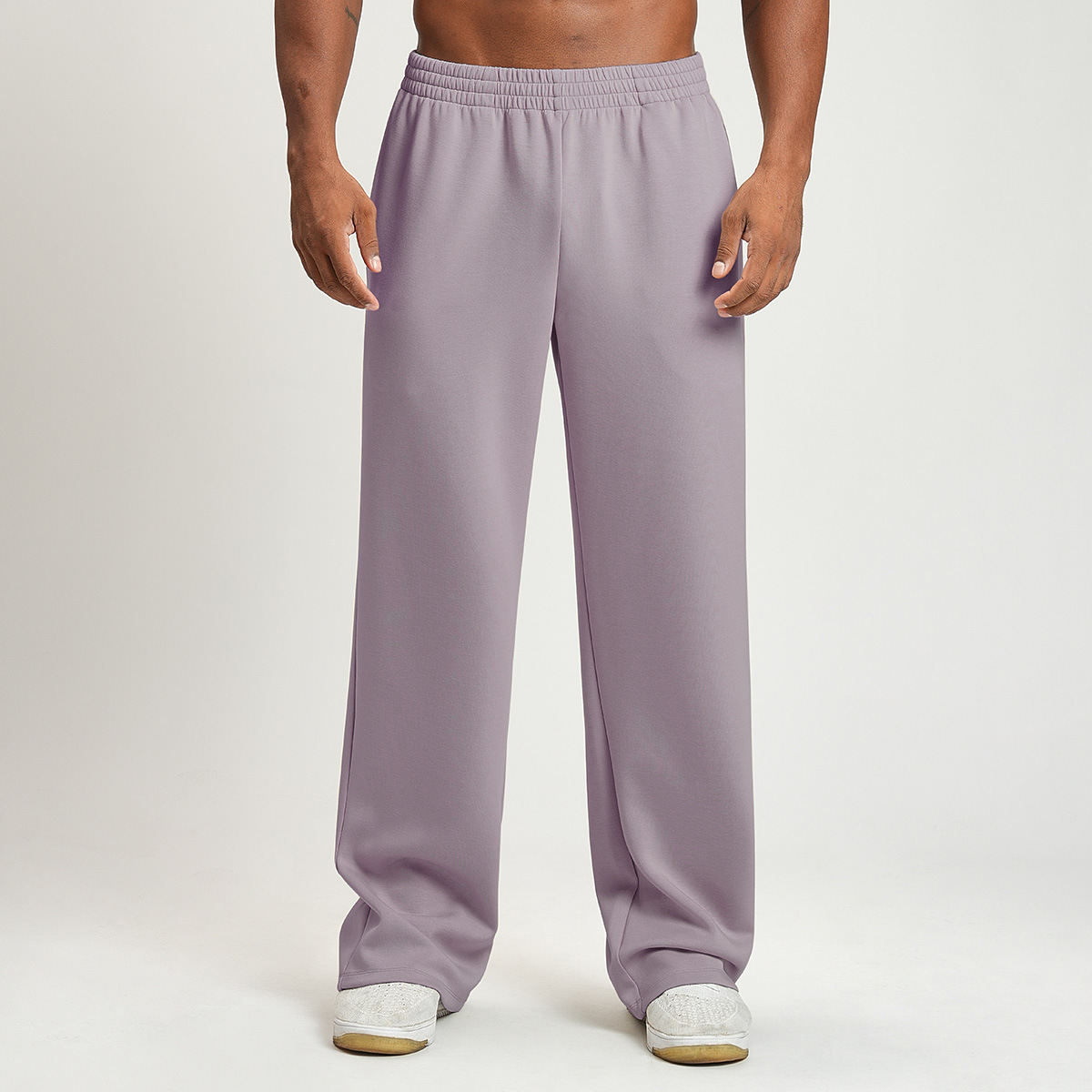
For brands developing men’s T-shirts, shorts, hoodies, joggers, compression wear, gym apparel, and other performance products, this connected process helps reduce misunderstandings between development and bulk production.
AOLACORE also highlights cut-and-sew production teams, seamless manufacturing equipment, fabric storage, fabric development, multi-stage quality control, and support for maintaining fabric, color, fit, sizing, workmanship, and packaging standards across repeat orders.
The objective is not simply to complete one production order.
It is to help brands establish a stable product standard that can support future collections and repeat manufacturing.
Final Thoughts
A finished activewear garment may look simple, but the production process behind it involves many connected decisions.
Fabric must match the product’s function. Patterns must support fit and movement. Samples must confirm the design. Cutting must be accurate. Sewing must be controlled. Logos must be positioned consistently. Measurements must remain within tolerance. Finished products must be inspected and packed correctly.
When these stages are managed professionally, the result is more than a completed garment.
It is a reliable product that protects the brand’s reputation.
For activewear brands, choosing a factory should therefore not be based only on unit price or production capacity.
The more important question is whether the manufacturer has a clear system for turning product requirements into consistent bulk production.
Inside a professional activewear factory, quality is not created by one final inspection.
It is built step by step—from the first product discussion to the final packed carton.
Develop Your Next Activewear Collection with AOLACORE
Looking for a professional manufacturing partner for your men’s activewear collection?
AOLACORE supports custom fabric selection, pattern development, sampling, OEM/ODM manufacturing, private labeling, bulk production, quality control, packaging, and shipping.
Whether you are launching a new fitness apparel brand or expanding an existing product range, a structured production process can help you reduce risk and create more consistent products.
Contact AOLACORE to discuss your next custom activewear project.
Lorem ipsum dolor sit amet, consectetur adipiscing elit. Ut elit tellus, luctus nec ullamcorper mattis, pulvinar dapibus leo.
Are you looking for reliable manufacturers of clothing products?
We can quickly provide customers with market analysis, technical support and customized services.